Understanding Income Tax: A Comprehensive Overview
Introduction
Income tax is a crucial component of a country’s financial system, playing a pivotal role in funding government operations and public services. It is a mandatory financial contribution that individuals and businesses make to their government based on their income, profits, or financial activities. In this comprehensive overview, we will delve into the fundamental concepts of income tax, its purpose, how it works, and its impact on individuals and society.
-
-
Purpose of Income Tax:

-
The primary purpose of income tax is to generate revenue for the government. This revenue is essential for funding public services such as healthcare, education, infrastructure development, defense, and social welfare programs. Income tax ensures that individuals and businesses contribute a fair share of their income or profits to support the overall well-being of the nation.
-
-
Types of Income Tax:

-
Income tax systems can vary significantly from one country to another. However, there are two common types of income tax:
a. Individual Income Tax: This tax is imposed on the earnings of individuals, including salaries, wages, rental income, dividends, interest, and capital gains. The tax rate often varies based on income levels, with higher-income individuals typically paying a higher percentage of their income in taxes.
b. Corporate Income Tax: Businesses and corporations are subject to corporate income tax on their profits. The tax rates for businesses may vary based on their structure, size, and location. Some countries offer incentives and deductions to promote economic growth and job creation.
-
-
Taxable Income:
-
To calculate income tax liability, taxpayers must determine their taxable income. Taxable income is the portion of total income that is subject to taxation. It includes all sources of income, such as salaries, investments, and rental income, minus allowable deductions and exemptions. Common deductions may include mortgage interest, student loan interest, and contributions to retirement accounts.
-
-
Tax Credits and Deductions:
-
Governments often provide tax credits and deductions to incentivize specific behaviors or support certain groups. Common examples include:
a. Child Tax Credit: Designed to assist families with children by reducing their tax liability.
b. Education Credits: Offered to taxpayers who incur eligible education expenses.
c. Charitable Deductions: Encourage donations to qualified charitable organizations by allowing deductions for contributions.
-
-
Filing and Compliance:
-
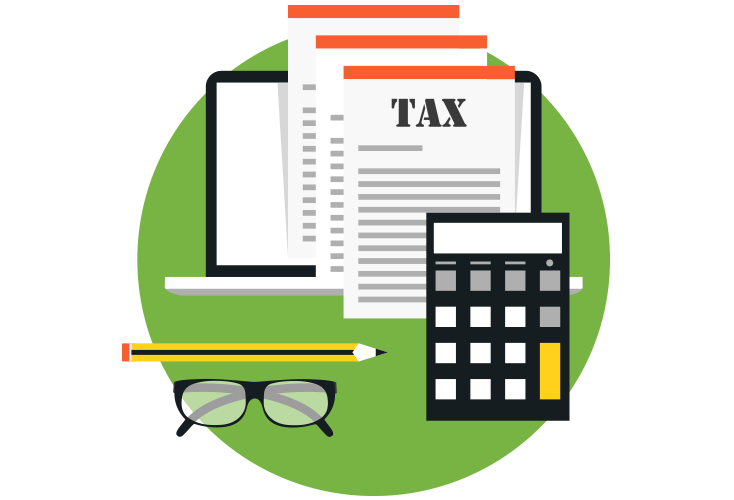
Filing income tax returns is a mandatory annual task for individuals and businesses. The process can be complex, involving the completion of various forms and the documentation of income and expenses. Non-compliance with tax laws can result in penalties and legal consequences.
-
-
Progressive Taxation:
-
Many income tax systems employ a progressive tax structure, where tax rates increase as income levels rise. This means that individuals with higher incomes pay a larger percentage of their income in taxes. Progressive taxation aims to distribute the tax burden more equitably and provide a safety net for lower-income individuals.
-
-
Economic and Social Impact:
-
Income tax policies can have a profound impact on economic growth, income inequality, and social welfare. High tax rates on top earners can redistribute wealth and fund social programs, while lower tax rates may stimulate investment and economic activity.
]]>
Introduction
Running a successful business requires not just vision and dedication but also access to the right financial resources. Whether you are a startup looking to get off the ground or an established company seeking to expand, a business loan can be the key to achieving your goals. We understand the unique financial needs of businesses and offer a range of tailored business loan solutions to help you thrive.
Why Choose for Your Business Loan?

We recognize that every business is unique, with its own set of challenges and opportunities. That’s why we offer customized business loan solutions designed to meet your specific needs. Whether you require working capital, equipment financing, expansion capital, or any other financial assistance, we have the right loan option for you.
Competitive Interest Rates:
We understand the importance of managing your business’s financial health effectively. That’s why we offer competitive interest rates on our business loans to ensure that you can access the funds you need without breaking the bank.
Flexible Repayment Terms:
We believe that a one-size-fits-all approach doesn’t work for business loans. Our flexible repayment terms allow you to choose a schedule that aligns with your cash flow,
making it easier for you to manage your finances and focus on growing your business.
Quick and Hassle-Free Application Process:
Time is of the essence in the business world, and we value your time. Our streamlined application process ensures that you can apply for a business loan with ease, and our dedicated team of experts is ready to assist you every step of the way.
Expert Financial Guidance:
Our team of financial experts is here to provide you with valuable insights and guidance. We’ll work closely with you to understand your business’s financial needs and help you make informed decisions about your loan options.

Types of Business Loans We Offer:
Working Capital Loans: Keep your operations running smoothly with a working capital loan tailored to your cash flow needs.
Equipment Financing: Upgrade or purchase new equipment with our equipment financing solutions, designed to boost your productivity.
Commercial Real Estate Loans: Expand your business by investing in commercial real estate with our competitive loan programs.
Business Expansion Loans: Take your business to the next level with funds dedicated to expansion, marketing, and scaling your operations.
Startup Loans: If you’re just starting your business journey,
our startup loans provide the financial foundation you need to turn your vision into reality.
Lines of Credit: Access funds when you need them with a flexible line of credit that can help you manage day-to-day expenses and seize opportunities.
]]>
Goods and Services Tax (GST) is a significant indirect tax regime that has revolutionized the taxation system in various countries. Since its introduction, businesses have been adapting to the complexities involved in GST compliance. Among the many facets of GST, the GST refund process stands as a crucial aspect for businesses seeking to claim back their input tax credit. In this comprehensive blog, we will delve into the intricacies of GST refunds, with valuable insights and expertise provided by JBJIncometax, a leading financial advisory firm specializing in GST-related matters.
Understanding GST Refunds
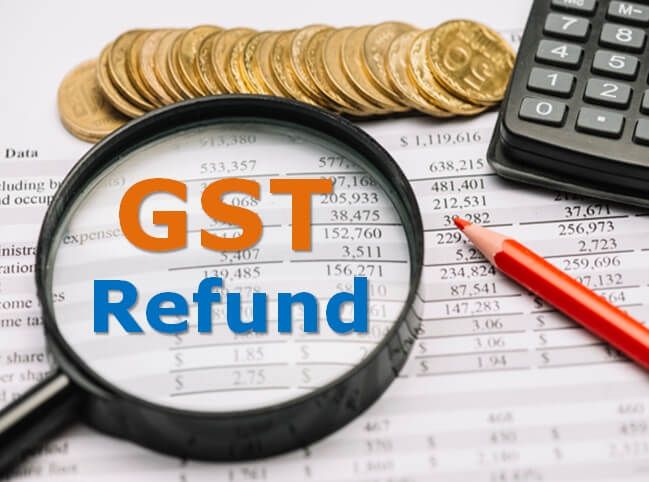
Under the GST system, businesses are eligible to claim a refund on the GST paid on purchases when the tax on the final product or service output is lower than the tax paid on its inputs. GST refunds thus play a critical role in mitigating tax burdens and ensuring a smooth cash flow for businesses. However, the refund process can be labyrinthine, necessitating an in-depth understanding of GST laws and regulations.
Eligibility Criteria for GST Refunds
JBJIncometax emphasizes the importance of recognizing the eligibility criteria for claiming GST refunds. Some common eligibility factors include:
- Export of Goods and Services: Businesses engaged in the export of goods or services are eligible for GST refunds, subject to prescribed conditions.
- Inverted Duty Structure: When the GST paid on inputs is higher than the GST payable on the output, businesses can claim a refund for the excess amount.
- Deemed Exports: Suppliers providing goods to specified projects or entities can claim GST refunds under the deemed export category.
- Accumulation of Input Tax Credit (ITC): Businesses that have accumulated a substantial amount of unutilized ITC can apply for GST refunds.
- Refund of Taxes on Supplies to Special Economic Zones (SEZ): Businesses supplying goods or services to SEZs may claim a refund on the taxes paid.
- Refund to International Tourists: International tourists can seek GST refunds on purchases made in the country under the GST Refund for Tourists (Tourist Refund Scheme).
Challenges in the GST Refund Process
Navigating the GST refund process can be arduous and time-consuming for businesses. Some of the challenges they may encounter include:
- Document Compliance: Strict adherence to documentation requirements is essential for successful GST refund claims. Incomplete or erroneous documentation can lead to delays or rejections.
- Verification Procedures: The GST authorities conduct thorough verification to ensure the validity of refund claims. This process may sometimes be cumbersome, leading to delays in disbursing refunds.
- Inconsistent Interpretation: GST laws are dynamic, and their interpretation can vary, causing confusion and ambiguity in specific cases.
- Time Sensitivity: Timelines for filing GST refund applications are critical, and delays in submission can result in forfeiture of claims.
Navigating Business Tax Services: Unlocking Financial Opportunities and Compliance
JBJIcometax Expert Assistance
As specialists in GST matters, JBJIncometax offers invaluable support to businesses seeking GST refunds. Their expertise includes:
- Comprehensive Review: JBJIncometax conducts a meticulous review of clients’ business operations to identify eligible refund opportunities.
- Accurate Documentation: The firm ensures the preparation and submission of precise and complete documentation, minimizing the chances of rejection.
- Timely Compliance: With their in-depth knowledge of GST laws and deadlines, JBJIncometax ensures timely filing of refund applications.
- Guidance through Audits: In the event of audits or inquiries by tax authorities, JBJIncometax provides guidance and support to their clients.
Conclusion
In conclusion, GST refunds are a vital component of the GST system, helping businesses recover excess
taxes paid on inputs and ensuring cash flow stability. However, the complexities involved in the refund process necessitate expert guidance to navigate the intricacies successfully. JBJIncometax stands as a reliable partner in this journey, offering specialized assistance to businesses seeking GST refunds. With their profound knowledge and experience in GST matters, JBJIncometax continues to empower businesses in achieving optimal financial outcomes.
]]>Introduction
Running a business is a thrilling journey of growth and accomplishment, but it also comes with its fair share of responsibilities, particularly concerning taxes. Taxes are an inevitable part of business operations, and understanding and managing them is crucial to ensuring financial success and compliance. In this comprehensive blog post, we’ll explore the significance of business tax services, how they can benefit your company, and why entrusting your tax matters to professionals can lead to enhanced financial opportunities.
Chapter 1: The Role of Business Tax Services
1.1 Understanding Business Taxes Get acquainted with the various types of taxes that businesses may encounter, including income taxes, payroll taxes, sales taxes, and more. Gain an understanding of their specific implications for your business.
1.2 Importance of Compliance Discover why complying with tax regulations is not just a legal requirement but also critical to avoiding penalties, audits, and reputational damage.

Chapter 2: The Benefits of Business Tax Services
2.1 Maximizing Tax Deductions Learn how tax professionals can help identify and maximize tax deductions, optimizing your business’s tax liability and increasing your bottom line.
2.2 Tax Planning Strategies Explore the benefits of proactive tax planning, including strategies to reduce tax liability and improve cash flow throughout the year.
2.3 Mitigating Risks and Errors Understand how tax services can help your business avoid costly errors on tax returns, minimizing the risk of IRS audits and potential financial setbacks.
Mastering Income Tax: Navigating Taxation for Financial Success
Chapter 3: Choosing the Right Business Tax Service Provider
3.1 Evaluating Your Business Needs Assess your business’s specific tax requirements and determine whether you need a full-service accounting firm, a specialized tax consultant, or a tax software solution.
3.2 Reputation and Experience Explore the importance of selecting a reputable tax service provider with a proven track record and experience in handling businesses similar to yours.
3.3 Services Offered Consider the range of services offered by tax professionals, such as tax preparation,
tax planning, audit support, and tax resolution, to find a comprehensive solution that meets your needs.

Chapter 4: Leveraging Technology in Business Tax Services
4.1 Cloud-Based Accounting Platforms Discover the benefits of using cloud-based accounting platforms,
which offer real-time access to financial data and facilitate seamless collaboration with your tax service provider.
4.2 Automating Tax Compliance Explore how automation in tax compliance can streamline processes,
reduce errors, and ensure accurate and timely tax filings.
Chapter 5: Navigating Changing Tax Laws and Regulations
5.1 Staying Up-to-Date Learn about the significance of staying informed about evolving tax laws
and regulations, and how your tax service provider can help you remain compliant.
5.2 Tax Credits and Incentives Explore various tax credits and incentives available to businesses,
which can help you save money and invest in growth opportunities.
Unlocking the Potential of MSMEs: Empowering Growth and Economic Prosperity
Chapter 6: Building a Long-Term Relationship with Your Tax Service Provider
6.1 Communication and Collaboration Understand the importance of maintaining open communication with your tax service provider,
enabling them to gain a deep understanding of your business and provide tailored solutions.
6.2 Regular Reviews and Evaluations Learn how periodic reviews and evaluations of your tax strategy
can help you adapt to changing business circumstances and optimize tax planning.
Conclusion
Embracing business tax services is a wise investment that can lead to financial opportunities,
compliance peace of mind, and increased prosperity for your business. As you navigate the complexities of taxation,
remember that engaging a knowledgeable and experienced tax service provider is not just an expense but a strategic
move to secure your business’s financial future. By leveraging the expertise of tax professionals, you can unlock the full potential of your business and
confidently steer it toward continued success and growth. So, take the first step today and explore the world of business tax services!
]]>Micro, Small, and Medium Enterprises (MSMEs) form the backbone of economies worldwide, driving economic growth, fostering innovation, and creating employment opportunities. In this comprehensive blog, we will delve into the world of MSMEs, exploring their critical role in global economic prosperity, the challenges they face, and the strategic initiatives that can empower their growth.
Importance of MSMEs in Economic Growth
MSMEs are key contributors to economic growth, particularly in developing nations. Their nimbleness and adaptability allow them to respond effectively to market demands, driving competition and innovation. As major employment generators, MSMEs reduce unemployment rates and play a crucial role in regional development.
The Power of Employment Generation
One of the most significant contributions of MSMEs is their capacity to create employment opportunities, especially in areas where large corporations may not be present. By absorbing a substantial portion of the labor force, these enterprises help uplift local communities and reduce urban-rural economic disparities.
Fostering Innovation and Agility
MSMEs are renowned for their ability to innovate and adapt quickly to evolving market dynamics. Their entrepreneurial spirit drives the development of novel products and services, often rooted in traditional craftsmanship and cultural value. This spirit of innovation keeps economies dynamic and relevant in a rapidly changing world.
Challenges Encountered by MSMEs
Despite their economic significance, MSMEs face numerous challenges that hinder their growth and sustainability:
a) Access to Finance: Limited access to affordable financing is a major obstacle for MSMEs. Governments and financial institutions must collaborate to create specialized credit programs and venture capital funding to support these enterprises.
b) Capacity Building and Training: Many MSMEs struggle with a shortage of skilled labor. Offering training programs on business management, technology adoption, and marketing strategies can help enhance their competitiveness.
c) Infrastructure Deficits: Inadequate infrastructure, such as poor transportation and unreliable power supply, can hamper the productivity and competitiveness of MSMEs, particularly in remote areas.
d) Regulatory Compliance Burdens: Cumbersome regulatory processes can overwhelm small business owners with limited resources, stifling their growth potential.
Mastering Income Tax: Navigating Taxation for Financial Success
Empowering MSMEs for Growth
To unlock the full potential of MSMEs, strategic initiatives must be taken at various levels:
a) Access to Finance: Governments and financial institutions should collaborate to develop specialized credit programs and low-interest loans to support MSMEs’ financing needs.
b) Capacity Building and Training: Providing training and workshops on business management, technology adoption, and marketing strategies can enhance the competitiveness of MSMEs.

c) Infrastructure Development: Governments must invest in improving transportation networks, power supply, and access to information and communication technology to support the growth of MSMEs.
d) Market Access and Export Promotion: Facilitating market access for MSMEs, both domestically and internationally, can expand their customer base and help them participate in global value chains.
Conclusion
Micro, Small, and Medium Enterprises (MSMEs) are the backbone of economies worldwide,
driving economic growth, fostering innovation, and creating employment opportunities. By addressing
the challenges faced by MSMEs and providing strategic support, governments and organizations
can unleash their immense potential and contribute to the overall development of nations.
Only through collaborative efforts and targeted initiatives can we empower MSMEs to thrive,
paving the way for sustainable and inclusive economic prosperity for all.
]]>Income tax is an integral part of modern financial systems, playing a significant role in funding public services and government initiatives. Understanding income tax is essential for individuals and businesses alike to navigate the complexities of taxation, maximize savings, and achieve financial success. In this comprehensive blog, we will delve into the world of income tax, exploring key concepts, tax planning strategies, and the importance of staying compliant with tax laws.
Unraveling Income Tax
Income tax is a direct tax imposed on an individual’s or entity’s income by the government. It is calculated based on the income earned during a specific period and is subject to various tax laws and regulations. Income can arise from diverse sources, such as salaries, investments, self-employment, and business profits.
The Art of Tax Filing
Taxpayers are required to file income tax returns annually, disclosing their income and claiming any eligible deductions or credits. The process of tax filing may vary based on tax laws and an individual’s financial situation. Timely and accurate tax filing is crucial to avoid penalties and interest charges.
Embracing Tax Planning
Effective tax planning is a strategic approach to managing finances to minimize tax liability legally. It involves making financial decisions that optimize deductions, credits, and other tax benefits while ensuring compliance with tax laws. A well-thought-out tax plan can significantly impact financial well-being.
Understanding Taxable Income
Taxable income refers to the portion of earnings subject to income tax. It is calculated by subtracting allowable deductions and exemptions from total income. Understanding what constitutes taxable income is fundamental in determining tax liability.
Harnessing Tax Deductions and Credits
Tax deductions and credits are powerful tools for reducing tax liability. Deductions, such as those for mortgage interest, charitable contributions, and medical expenses, lower taxable income. Tax credits, such as child tax credits or education credits, directly reduce the tax owed.
Unlocking the Potential of MSMEs: Empowering Growth and Economic Prosperity
Navigating Tax Brackets
Tax brackets represent progressive tax rates at which different income levels are taxed. Familiarity with tax brackets is vital to understanding tax liability and planning financial decisions accordingly.
Complying with Tax Laws
Understanding tax laws and regulations is paramount for tax compliance. Staying informed about changes in tax laws and meeting tax obligations ensures a smooth and legal tax filing process.
The Importance of Tax Returns
Filing accurate tax returns is essential for financial stability. It not only ensures compliance with tax laws but also provides an opportunity to claim eligible tax benefits and refunds.
Discovering Tax Exemptions
Tax exemptions are specific income categories or situations exempted from income tax. Identifying and understanding available tax exemptions can lead to significant tax savings.
Mitigating Tax Audit Risks
Tax audits are examinations of tax returns conduct by tax authorities. Avoiding potential red flags and maintaining well-organized financial records can reduce the risk of an audit.
Seeking Guidance from Tax Consultants
Tax consultants or professionals offer valuable assistance to individuals and businesses in navigating the complexities of income tax. Their expertise can optimize tax strategies and ensure compliance with tax laws.

Embracing Tax Reform
Tax laws are subject to change through tax reform initiatives. Being aware of tax reform and its implications helps taxpayers adjust financial planning to new regulations.
Avoiding Tax Evasion
Tax avoidance involves legally minimizing tax liability, while tax evasion is the illegal act of evading taxes. Understanding the difference is crucial to maintain financial integrity and avoid legal consequences.
Conclusion
Mastering income tax is essential for achieving financial success and stability. Understanding taxation concepts, tax planning strategies, and compliance with tax laws empower individuals and businesses to optimize their finances and contribute to a thriving economy. Embracing financial literacy and seeking professional guidance when needed are keys to navigating the intricacies of income tax and securing a prosperous financial future.
]]>